
Recognizing when is it time for assisted living for an aging parent can feel overwhelming. Families often weigh a parent's independence against real concerns about safety and wellbeing, and the line isn't always obvious. Understanding the signs parent needs assisted living helps families make informed choices that honor a parent's dignity while addressing needs that are changing.
This guide walks through the key indicators families in Hoffman Estates can use to determine whether now is the right time to consider care options, drawing on daily routines, safety, and quality of life. Communities like Discovery Village Hoffman Estates offer a place to start that conversation.
Recognizing Daily Living Changes
One of the clearest signs parent needs assisted living involves struggles with everyday routines. When a parent has difficulty managing personal care tasks, it often signals that additional support would help. Common warning signs include:
- Difficulty bathing, dressing, or grooming independently
- Noticeable weight loss or missed medications
- Wearing soiled clothing or a decline in personal hygiene
Household management offers another window into changing capabilities. Stacks of unpaid bills, expired food in the refrigerator, or a home that isn't kept up the way it used to be often suggest that managing a household alone has become too much. These shifts tend to develop gradually, so families may only notice them after several visits.
Safety Concerns at Home
Safety issues often prompt families to move up their timeline. When aging adult needs help at home, the signs tend to show up as small but telling risks:
- Frequent falls or unsteadiness, sometimes resulting in emergency room visits
- Burn marks on pots or forgetting to turn off appliances
- Wandering behavior or getting lost in familiar places
- Difficulty getting around the neighborhood safely, or close calls while driving
These concerns can carry extra weight for parents also experiencing memory changes. Building an assisted living decision checklist around these observations helps families track patterns instead of reacting to one incident, giving a clearer picture of whether a parent is ready for assisted living.
Social Isolation and Emotional Wellbeing
Social withdrawal tends to develop slowly, making it easy to overlook until isolation is well underway. When a parent stops taking part in programs they once enjoyed, rarely leaves home, or seems increasingly lonely, quality of life suffers, and these emotional shifts often go hand in hand with physical limitations that make getting out harder.
Reduced social interaction can bring on cognitive decline, worsening low mood, and less motivation for self-care. Assisted Living at Discovery Village Hoffman Estates builds in daily connection through the Sensations dining program and Celebrations events, giving residents everyday social interaction they might otherwise miss at home.
Family Stress and Changing Dynamics
Family members often feel mounting stress as a parent's needs grow. A few signs suggest current arrangements may not hold up much longer:
- Constant worry paired with frequent trips to check in
- Feeling stretched thin by care on top of work and family obligations
- Rising tension between family members over care decisions
- A family member's own health starting to suffer
Taking an honest look at family capacity matters here. Many families find that moving a parent into a supportive community strengthens relationships, freeing family members to spend time together rather than manage daily tasks.
Medical Needs and Care Coordination
Rising medical complexity often tips the scale toward professional care settings. Knowing how to know when aging parent needs care means watching for signs like struggling to manage multiple medications, missing appointments, conditions requiring regular wellness checks, or frequent hospital visits that suggest current support isn't enough.
Discovery Village Hoffman Estates coordinates medication management, regular wellness checks, and trained associates available throughout the day, along with on-site therapy resources through the community's Dimensions wellness programming, which can help prevent complications for parents managing diabetes, heart disease, or mobility limitations.
How to Approach the Conversation
Approaching this conversation with empathy for a parent's perspective strengthens the relationship during the transition. Start the discussion early, before a crisis forces a rushed decision, and include your parent in touring communities and planning what comes next, respecting their wishes and preferences whether the right fit turns out to be Active Independent Living or Assisted Living.
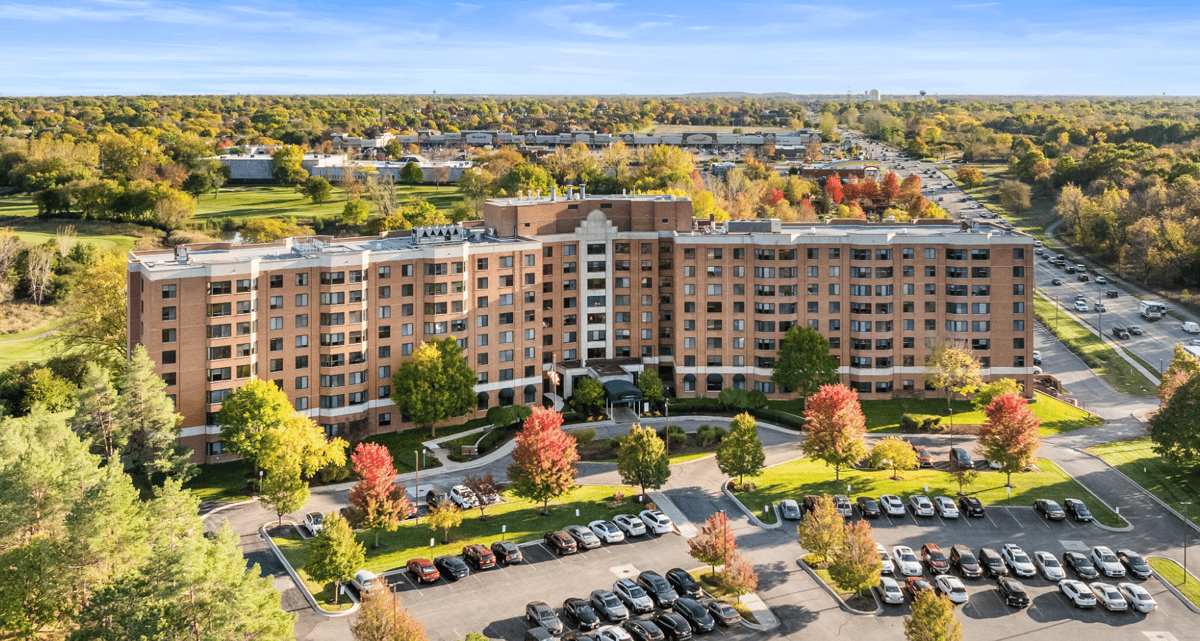
Discovery Village Hoffman Estates, on Barrington Road near South Barrington, welcomes families to tour the community and meet associates, and see how the Expressions concierge team, chef-prepared dining, and scheduled Connections transportation come together day to day. Seeing a community in person often makes the question of is my parent ready for assisted living easier to answer.
Frequently Asked Questions
What are the most common signs parent needs assisted living?
Difficulty with bathing, dressing, or medication, plus an unkempt home or weight loss, are among the earliest signs.
How is Active Independent Living different from Assisted Living here?
Active independent living suits parents wanting a maintenance-free, social lifestyle without daily personal care; assisted living adds hands-on help with everyday tasks.
What amenities does the community offer?
Chef-prepared dining through Sensations, weekly housekeeping, scheduled Connections transportation, and a full calendar of Celebrations events.
There's no single moment that marks when aging adult needs help at home. What matters most is watching for patterns, talking openly, and finding a community that fits a parent's needs. To see the apartment homes, dining, and programs in person, schedule a tour at Discovery Village Hoffman Estates today.