
Summary
Recognizing when home care is not enough requires watching for patterns rather than reacting to isolated incidents. Understanding these warning signs helps families make confident decisions about moving to a senior living community when support needs change.
- Declining personal hygiene, difficulty managing Activities of Daily Living, or resistance to care between visits suggests the current schedule lacks sufficient consistency
- Medication confusion—including missed doses, expired medications, or pills in unusual places—indicates a need for more reliable oversight
- Increasing emergency room visits or hospital admissions due to falls, dehydration, or medication errors signal that brief care visits no longer provide adequate observation
- Growing social isolation, loneliness, or withdrawal from activities can improve significantly in a community setting with regular connection opportunities
- Family caregivers experiencing burnout, sleep disruption, health concerns, or constant worry may benefit from transitioning to Assisted Living where professional support takes the lead
Watching a parent or loved one struggle at home can be difficult, especially when family members and professional caregivers are already doing their best. Still, there may come a point when home care is not enough to meet changing needs. The clearest signs often come from noticing patterns rather than reacting to one difficult day.
Seven Signs It May Be Time for More Support
1. Personal Hygiene Is Declining
A noticeable change in bathing, grooming, oral care, or clean clothing can be one of the earliest signs home care isn't working as planned. Scheduled visits may cover certain routines, but needs do not always follow a predictable timetable.
An older adult may also begin resisting assistance, forgetting steps in more complex tasks, or having difficulty managing personal care between visits. When these concerns become frequent, the current schedule may no longer provide enough consistency for support with Activities of Daily Living.
2. Medication Management Is Becoming Unreliable
Medication confusion can create serious concerns, particularly when several prescriptions are involved. Watch for patterns such as:
- Pills left in unusual places or scattered around the home.
- Expired medications remaining in use.
- Duplicate prescriptions or confusion about refills.
- Regularly missed or repeated doses.
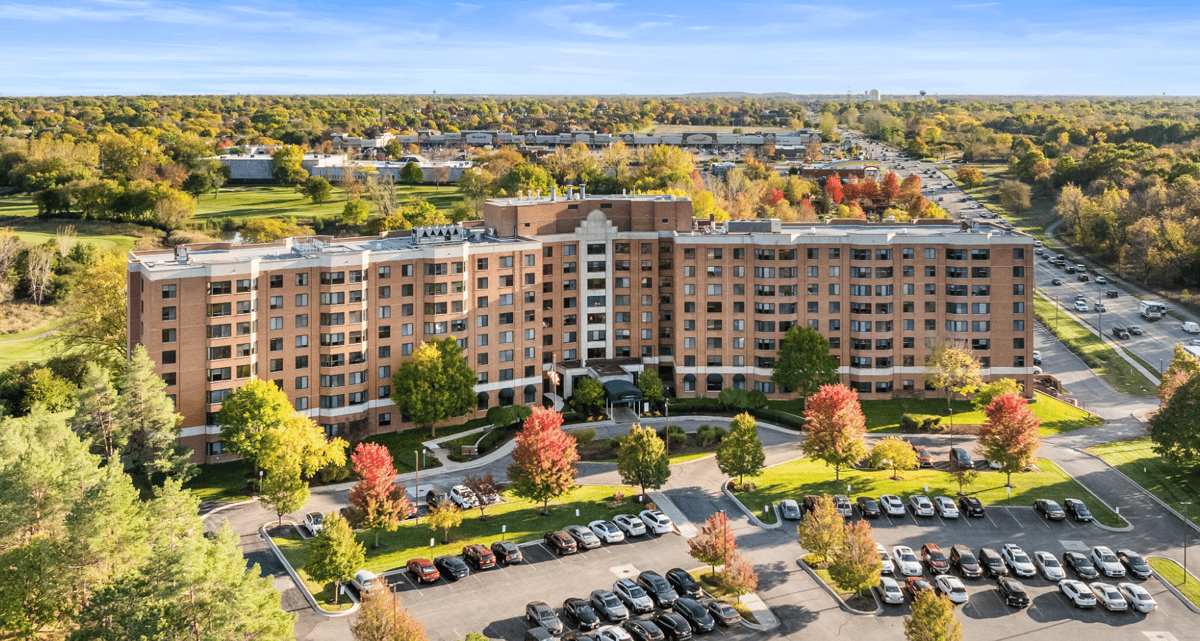
These concerns are important examples of home care limitations for seniors. Assisted Living at Discovery Village Hoffman Estates can include personalized help with medication management and other daily routines, depending on the resident’s needs.
3. Emergency Visits Are Becoming More Frequent
Repeated falls, health issues related to dehydration, medication mistakes, or untreated concerns that require urgent care may indicate that brief support visits are no longer enough. Each event deserves attention on its own, but a pattern can show that your loved one needs more observation and quicker access to support throughout the day.
This does not mean every hospital visit could have been prevented. However, the overall support plan should be reviewed to determine whether the current setting still matches your loved one’s needs.
4. Social Isolation Is Affecting Daily Life
Home care providers offer valuable assistance, but visits often focus on specific tasks. Long stretches alone may contribute to loneliness, reduced motivation, or withdrawal from routines your loved one once enjoyed.
A senior living community can make connection part of everyday life through shared meals, conversations, and planned programs. At Discovery Village Hoffman Estates, residents can enjoy chef-prepared Sensations dining, Celebrations programs, scheduled Connections transportation, and welcoming shared spaces. These features can help make social interaction easier and more natural.
5. Family Caregivers Are Reaching Their Limit
Many families fill the gaps between professional visits. Over time, that responsibility can affect sleep, work, health, and relationships. Signs that the current arrangement is becoming unsustainable may include:
- Constant worry when your loved one is alone.
- Missed work or difficulty concentrating.
- Frequent nighttime calls or caregiving responsibilities.
- Physical exhaustion, resentment, or emotional burnout.
- Your own health needs being postponed.
Transitioning from home care to assisted living can allow family members to return to being a daughter, son, spouse, or trusted companion instead of managing every daily task.
6. The Home Environment Is No Longer Safe
Grab bars, improved lighting, and other modifications can help, but they may not address every risk. Repeated falls, difficulty using stairs, trouble responding to emergencies, or unsafe wandering can signal that the home itself is no longer a good fit.
This is often part of knowing when more care is needed. A purpose-built senior living community can make support easier to access while encouraging consistent routines, all without placing the full responsibility on one family caregiver.
7. Support Needs Are No Longer Predictable
Home care works best when assistance can be scheduled around fairly consistent needs. It may become less effective when your loved one needs help at different times each day, begins calling frequently overnight, or can no longer wait safely for the next scheduled visit.
This unpredictability is often central to deciding when to move a parent from their home. Assisted living may provide a more consistent structure, with help available for personal routines, meals, housekeeping, transportation, and social connection.
Make the Senior Living Decision With Confidence
Recognizing that a loved one’s needs have changed is an act of care, not a failure. Visiting a senior living community can help your family compare options, ask specific questions, and see whether the environment feels right. Schedule a personalized tour of Discovery Village Hoffman Estates to explore Assisted Living and discuss how we can support your loved one.