
Summary
Long-distance caregiving for aging parents requires thoughtful planning, reliable local support, and the right resources to help you stay involved from afar. With the proper foundation in place, you can provide meaningful care even when you cannot be there in person.
- Build a local support network of trusted neighbors, friends, relatives, and professional resources like geriatric care managers or home care providers who can check in regularly
- Use technology strategically—video calls, shared calendars, medication reminders, and family messaging—to stay informed while respecting your parent's privacy and independence
- Plan regular visits before a crisis occurs to assess daily routines, review important documents, discuss concerns, and make decisions together in calmer moments
- Recognize warning signs that more support may be needed, such as missed appointments, confusion about medications, neglected household tasks, or social withdrawal
- Consider whether senior living with services like meal preparation, medication management, and transportation might improve your parent's safety, connection, and quality of life
When you live hundreds or thousands of miles from an aging parent, every phone call can bring a mix of concern and uncertainty. You may wonder whether they ate well, made it to an appointment, kept up with daily routines, or had enough social connection that day.
Long-distance caregiving for aging parents can be especially challenging when you want to help without taking over. With planning, reliable local contacts, and the right long distance caregiver resources, you can stay involved even when you cannot be there in person.
Build a Local Support Network
The foundation of caring for an aging parent far away is having trusted people nearby. Neighbors, friends, relatives, clergy, or longtime community contacts may be able to check in, notice changes, and respond quickly if something seems off.
Professional resources can also make managing parent care remotely easier. Depending on your parent’s needs, you may consider:
- A geriatric care manager who can visit, coordinate appointments, and provide updates
- Home health or home care providers for added daily assistance
- Meal delivery services to help with nutrition
- Transportation services for errands, appointments, and shopping
- Adult day programs that offer social connection and daytime structure
It's also helpful to stay connected with your parents’ healthcare providers. Make sure the proper release forms are in place so doctors can speak with you. When possible, schedule regular updates or join appointments by phone or video.
Use Technology for Better Check-Ins
Technology cannot replace in-person visits, but it can make coordinating senior care from a distance feel more manageable. Video calls often show more than a phone conversation. You can see your parents’ energy level, appearance, and home environment in a natural way.
Helpful tools may include:
- Shared calendars for appointments and reminders
- Medication reminder apps or pill dispensers
- Video calls for regular face-to-face conversations
- Motion or fall-detection devices, when appropriate
- Family messaging threads so everyone receives the same updates
The goal isn't to make your parent feel watched. It's to create simple systems that help you stay informed while still respecting privacy and personal routines.
Plan Visits Before a Crisis Happens
For many families, visits happen only when something goes wrong. A better approach is to plan trips at regular intervals, even if everything seems stable. These visits give you a clearer picture of how your parent is doing day to day.
During each visit, you can:
- Attend medical appointments together
- Review bills, mail, and important documents
- Look for safety concerns around the home
- Check food, supplies, and household upkeep
- Talk openly about what feels harder than it used to
Regular visits also create space for calmer conversations. Instead of making decisions during an emergency, you can talk through options while your parent still feels involved and heard.
Know When More Daily Support May Be Needed
Managing parent care remotely becomes more difficult as needs change. Small issues can build over time, especially when a parent doesn't want to worry their adult children.
Signs that more support may be needed include frequent falls, missed appointments, confusion about prescriptions, unopened mail, neglected household tasks, spoiled food, poor nutrition, or pulling away from social programs.
If daily routines are becoming too difficult to manage at home, it may be time to explore senior living options. Assisted living can provide help with daily activities such as bathing, dressing, dining, housekeeping, and medication management while still offering privacy and personal choice.
Consider Whether Your Parent Should Move Closer
Many ask when to move your parent closer to you. There's no single answer. The right decision depends on your parents’ needs, their local support system, their emotional connection to home, finances, and your ability to be involved more often.
Moving closer can make appointments, visits, and emergencies easier to manage. It may also give your parent more time with family. However, it can also mean leaving familiar routines, friends, healthcare providers, and a community they know well.
Before making a decision, talk through questions such as:
- Is your parent safe with the support they currently have?
- Are their needs increasing faster than local help can keep up?
- Would moving closer improve their quality of life?
- Are they open to touring senior living communities?
- Could a short visit or trial stay help them feel more comfortable?
These conversations can be emotional. Keep the focus on comfort, safety, connection, and what would make daily life easier for everyone.
Find a Community That Communicates Well With Families
The right senior living community can become an important partner for long-distance families. Look for a community that welcomes family involvement, communicates clearly, and offers services that reduce the number of details you need to coordinate from afar.
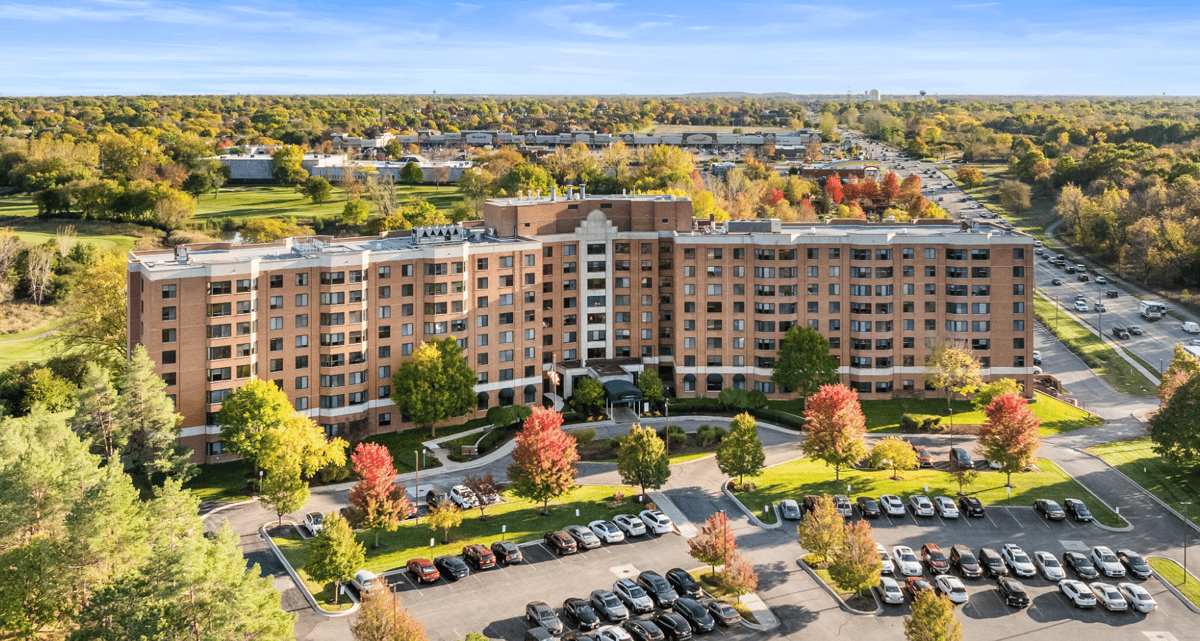
For families considering senior living in Hoffman Estates, Discovery Village Hoffman Estates offers hospitality-focused support, convenient services, and inviting shared spaces that can help residents feel connected. Scheduled transportation can make appointments and errands easier, while dining, events, fitness, and concierge services help simplify daily life.
When you cannot be nearby every day, knowing your parent has access to support, meals, transportation, and social connection can bring real reassurance.
FAQ: Long-Distance Caregiving for Aging Parents
What Is the Hardest Part of Long-Distance Caregiving?
One of the hardest parts is not seeing small changes as they happen. A parent may sound fine on the phone, but daily tasks, nutrition, social connection, or home safety may be changing quietly. Regular visits, local contacts, and video check-ins can help you get a fuller picture.
How Can I Help My Parent From Another State?
Start by building a local support network, organizing important documents, setting up shared calendars, and staying connected with healthcare providers. It also helps to identify senior living or in-home support options before there's an urgent need.
When Should We Consider Assisted Living?
Assisted living may be worth discussing when your parent needs regular help with daily activities, misses medications, has frequent falls, struggles with meals, or feels isolated. Touring a community together can make the conversation feel more practical and less overwhelming.
Schedule a family tour at Discovery Village Hoffman Estates.